Lake Guide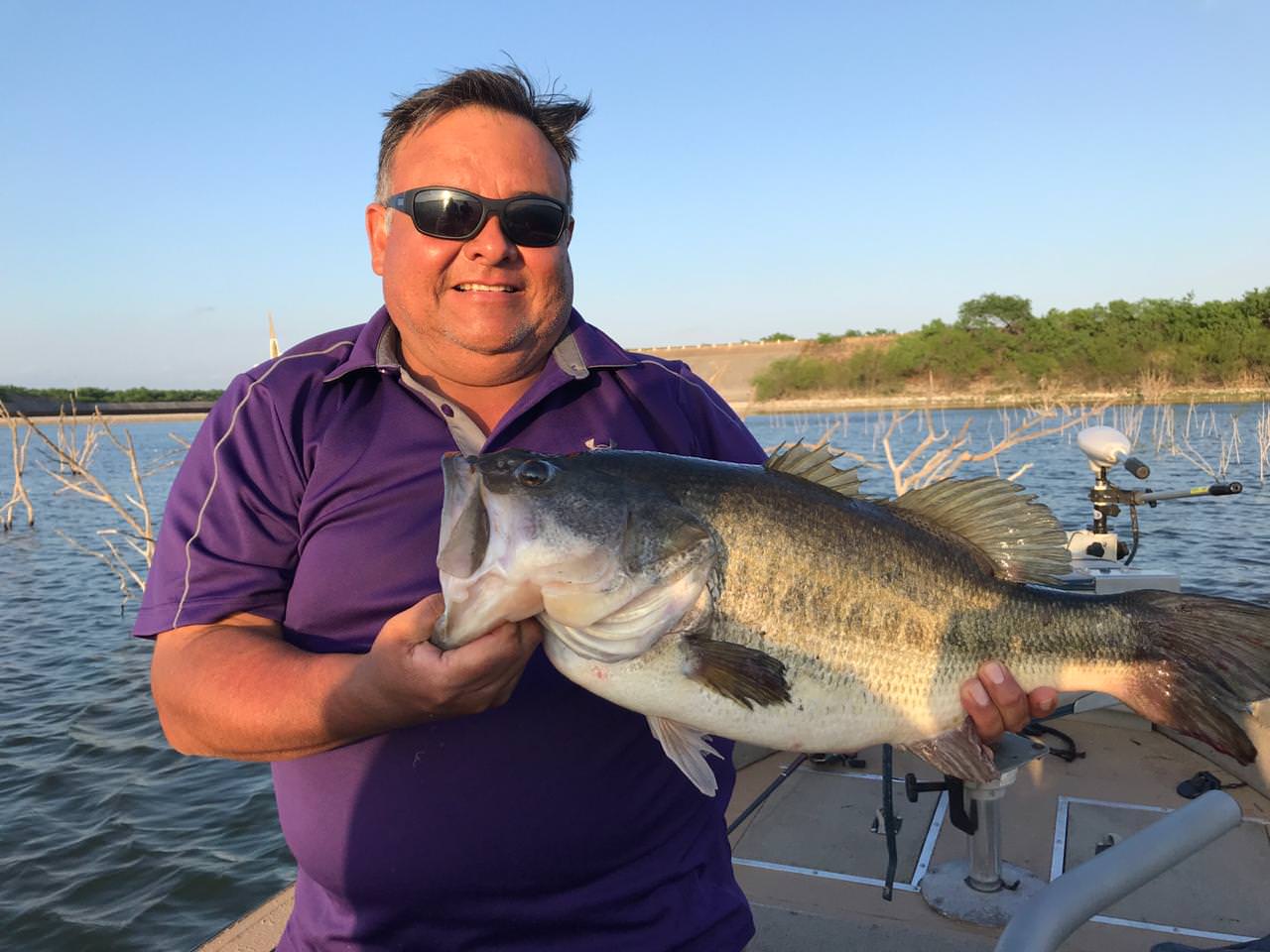
Sugar Lake (Presa Marte R. Gómez): A Fishing Guide
What is Sugar Lake?
Sugar Lake is the English nickname for Presa Marte R. Gómez, also called Presa El Azúcar. It is a large irrigation reservoir on the Río San Juan in Camargo municipality, Tamaulipas, Mexico. Guide services describe it as about 35 minutes south of the Texas border.
The dam was completed in 1946. Today the reservoir supports irrigation, commercial fishing, and a largemouth bass fishery that draws anglers from Texas and beyond.
Sugar Lake at a glance
| Fact | Detail |
|---|---|
| Official name | Presa Marte R. Gómez (also Presa El Azúcar) |
| Location | Río San Juan, Camargo municipality, Tamaulipas, near Comales |
| Central coordinates | About 26.20° N, 98.98° W |
| Dam completed | 1946 |
| Main purpose | Irrigation of the Bajo Río San Juan district (roughly 70,000 hectares) |
| Surface area | About 10,000 hectares (24,700 acres), per a 2006 federal standard |
| Storage capacity | 824 to 999 million cubic meters, depending on the source |
| Elevation | About 70 meters (230 feet) above sea level |
| Main sport fish | Florida largemouth bass (Micropterus salmoides) |
| Fishing rules | NOM-043-PESC-2003, published 2006 |
| Conservation status | Regional Key Biodiversity Area, about 151 square kilometers |
Where is Sugar Lake?
The reservoir sits on the Río San Juan near the community of Comales, in the municipality of Camargo. A 2006 federal fishing standard places it near the Nuevo León–Tamaulipas boundary.
The Key Biodiversity Areas registry lists its central coordinates at about 26.20° N, 98.98° W. Guide services put the lake about 35 minutes south of the Texas border (Where The Road Forks).
How was Sugar Lake formed?
The Marte R. Gómez dam was completed in 1946, according to CONAGUA statistics cited on Spanish-language Wikipedia. It impounds the Río San Juan. The federal standard adds that the San Antonio river also feeds the reservoir.
Irrigation is the principal use. A canal known as El Azúcar, or Rhode, carries water toward Reynosa for farmland. The English name Sugar Lake translates the local name, El Azúcar.
How big is Sugar Lake?
Published figures vary. The 2006 federal standard lists about 10,000 hectares (24,700 acres) and a total capacity of 999.26 million cubic meters. CONAGUA statistics cite 824 million cubic meters.
The gap reflects different measurement dates and definitions, and real size swings with water levels. Some angling sites cite larger acreages. This guide uses the federal figure.
What fish live in Sugar Lake?
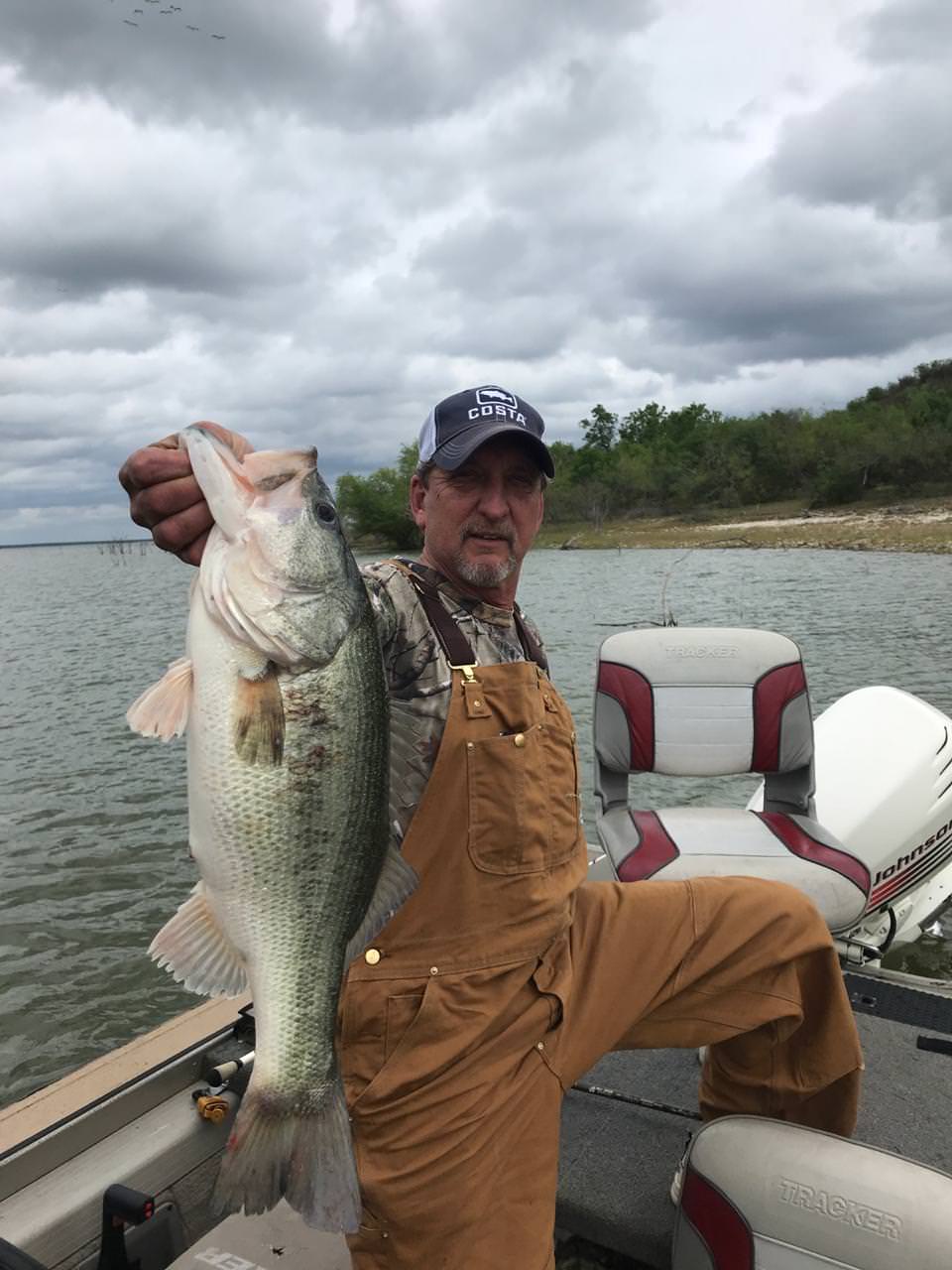
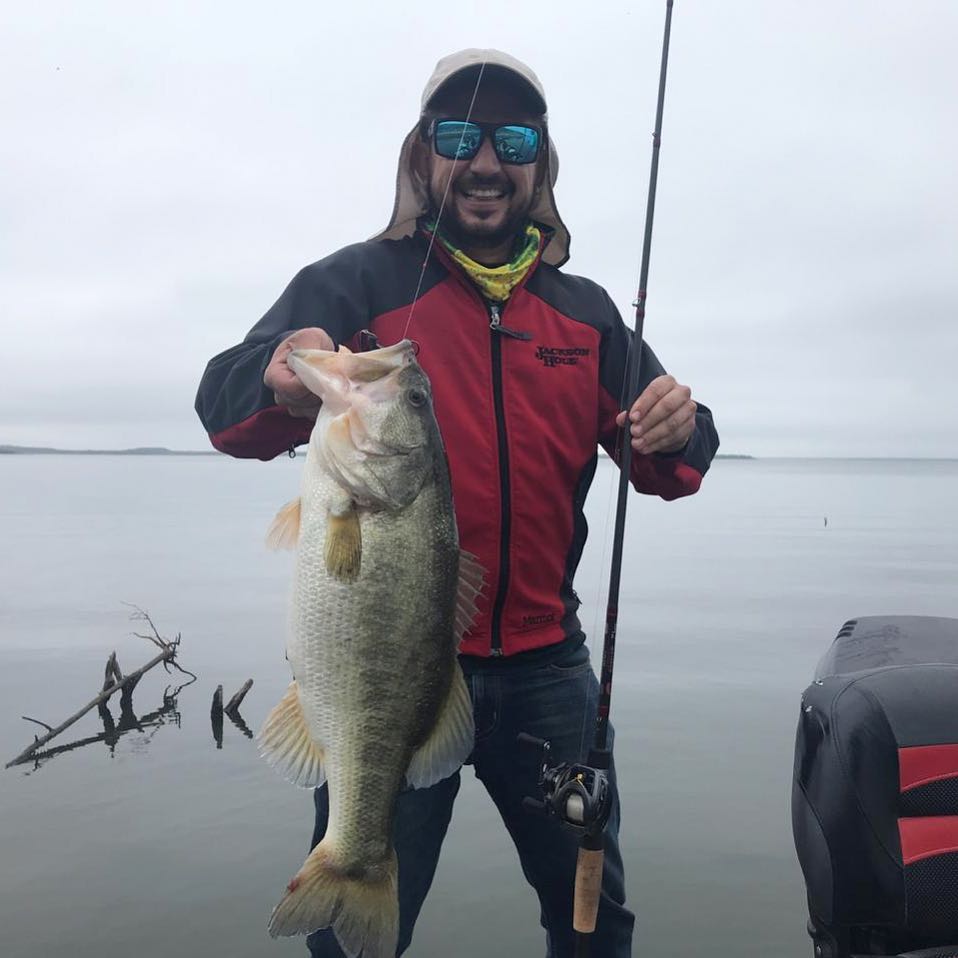
Federal fisheries studies list nearly 40 fish species in the reservoir. The main sport fish is the Florida largemouth bass. Other notable species include:
- Channel, blue, and flathead catfish
- White crappie, bluegill, and other sunfish
- Striped bass
- Freshwater drum
- Alligator gar and longnose gar
- Blue tilapia and common carp
The federal standard describes bass as an introduced species whose popularity created demand for sport fishing and tourism services. Museum records show largemouth bass in the reservoir by May 1973, when specimens were collected near Comales for the Universidad Autónoma de Nuevo León collection (Fishes of Texas).
How do anglers fish it?
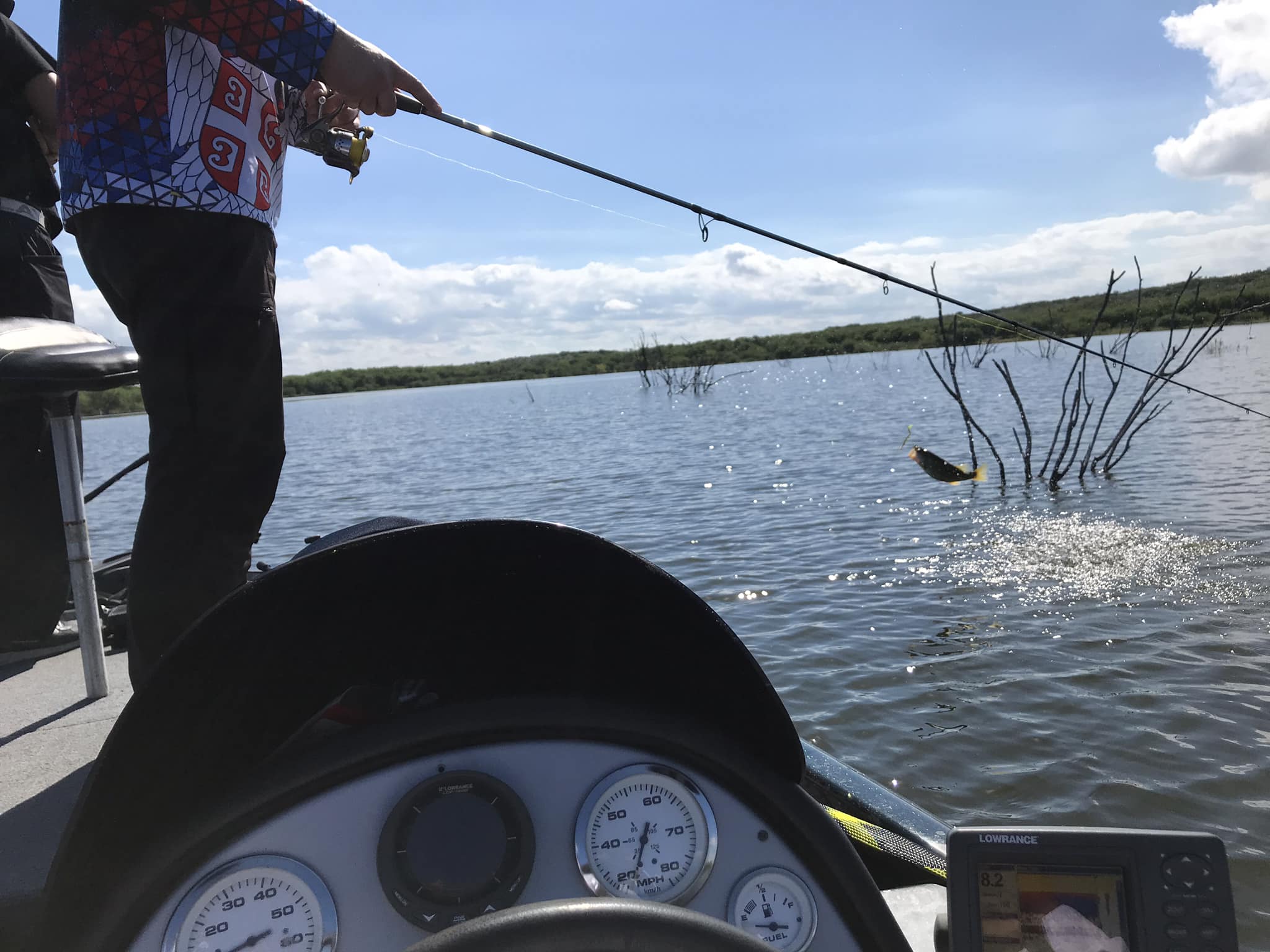
Guide services on the lake, including Bassunit, describe flooded timber, hydrilla beds, and rocky points as the key structure.
Accounts from a 2006 international tournament describe fish caught on a ledge near the dam in about 15 feet of water and along a channel through timber in 10 to 12 feet. Anglers mostly cranked and flipped soft plastics in the bushes (BassResource).
Sugar Lake fishing history
| Date | Event |
|---|---|
| 2023 | Copa Tamaulipas series event held at Presa Sugar Lake, March 4–5, in the state tournament calendar |
| 2006 | Federal fishing standard NOM-043-PESC-2003 published in the Diario Oficial on July 20 |
| 2006 | Bass Champs Texas–Mexico cup: a 41 lb 2 oz five-bass limit and a 13 lb 3 oz big bass; U.S. teams weighed about 700 lb over the event |
| 1973 | Largemouth bass specimens collected near Comales for a university collection |
| 1946 | Dam completed |
What are the fishing rules?
The federal standard NOM-043-PESC-2003 sets the rules for sport fishing at the reservoir. It was published in 2006, so confirm current rules with your guide or CONAPESCA before you fish. Key provisions:
- Minimum bass size: 350 mm (about 13.8 inches) total length. Smaller fish must be released immediately.
- Daily limit: up to five fish of any species per sport angler per day.
- Use of catch: sport-caught fish may be kept only for personal consumption or taxidermy, never sold.
- Guide boats: must carry an aerated livewell of at least 30 × 50 × 30 cm so undersized fish can be released alive.
- Filleting: not allowed aboard boats.
- Distance from nets: stay at least 250 meters from commercial boats and from fixed or floating nets.
- Tournaments: boat-based tournament fishing is limited to daylight, 6:00 a.m. to 7:00 p.m.
- Commercial nets: may be set between 6:00 p.m. and 7:00 a.m., so early-morning anglers can encounter them.
- Refuge zone: about 3.5 km by 50 m of shallow water in the south of the reservoir, between El Ranchito (Cerro Azul) and the Ochoa station, is protected.
- Closures and quotas: authorities may set closed seasons and catch limits.
Fishing from a boat in Mexico also requires a federal sport fishing license for everyone aboard, and some packages include it (Where The Road Forks).
Is Sugar Lake a protected area?
The reservoir is listed as a confirmed Key Biodiversity Area with a regional classification, last assessed in 2015. It was identified using Important Bird and Biodiversity Area criteria. The listed area covers about 151 square kilometers, larger than the water surface (Key Biodiversity Areas).
Travel and safety
Sugar Lake sits in Tamaulipas, about 35 minutes south of the Texas border — and for years, U.S. anglers have crossed down to fish it every day of the season. Every Bassunit group is met at the HEB in Rio Grande City and escorted across the border to the lodge, minutes from the boat ramp, so the whole trip runs hosted, door to door. For the full logistics of getting to the lake — meeting point, border crossing, and what to bring — read Is it safe to fish in Mexico near the Texas border?
Guided fishing on Sugar Lake
Guide services operate on the lake. Bassunit publishes this guide and offers full-day and multi-day trips there. To compare the lake with Mexico's best-known destination, see Sugar Lake vs. Lake El Salto.
Frequently Asked Questions
Is Sugar Lake the same as Presa Marte R. Gómez?
Yes. Sugar Lake is the English nickname, a translation of the local name El Azúcar.
How big is Sugar Lake?
A 2006 federal standard lists about 10,000 hectares, or 24,700 acres. Capacity figures range from 824 to 999 million cubic meters, and water levels change the surface area.
What is the minimum size for bass on Sugar Lake?
The 2006 federal standard sets 350 mm (about 13.8 inches) total length for sport-caught bass. Confirm current rules before you fish.
Do I need a license to fish Sugar Lake?
For fishing from a boat, yes. A federal Mexican sport fishing license is required, separate from any U.S. state license.
What fish can you catch in Sugar Lake?
Florida largemouth bass are the main sport fish. Catfish, white crappie, sunfish, striped bass, and gar also live in the reservoir.

Written By Sergio de la Garza
Sergio de la Garza runs Bassunit on Sugar Lake and shares what the guides are actually seeing on the water — no filler, no guesswork.
Ready When You Are
Come See It For Yourself
Every package includes lodging, chef-prepared meals, boat, fuel and a guide who knows exactly what's biting today.
© 2026 Bassunit. All rights reserved.Serving Presa Marte R. Gómez (Sugar Lake)