Trip Planning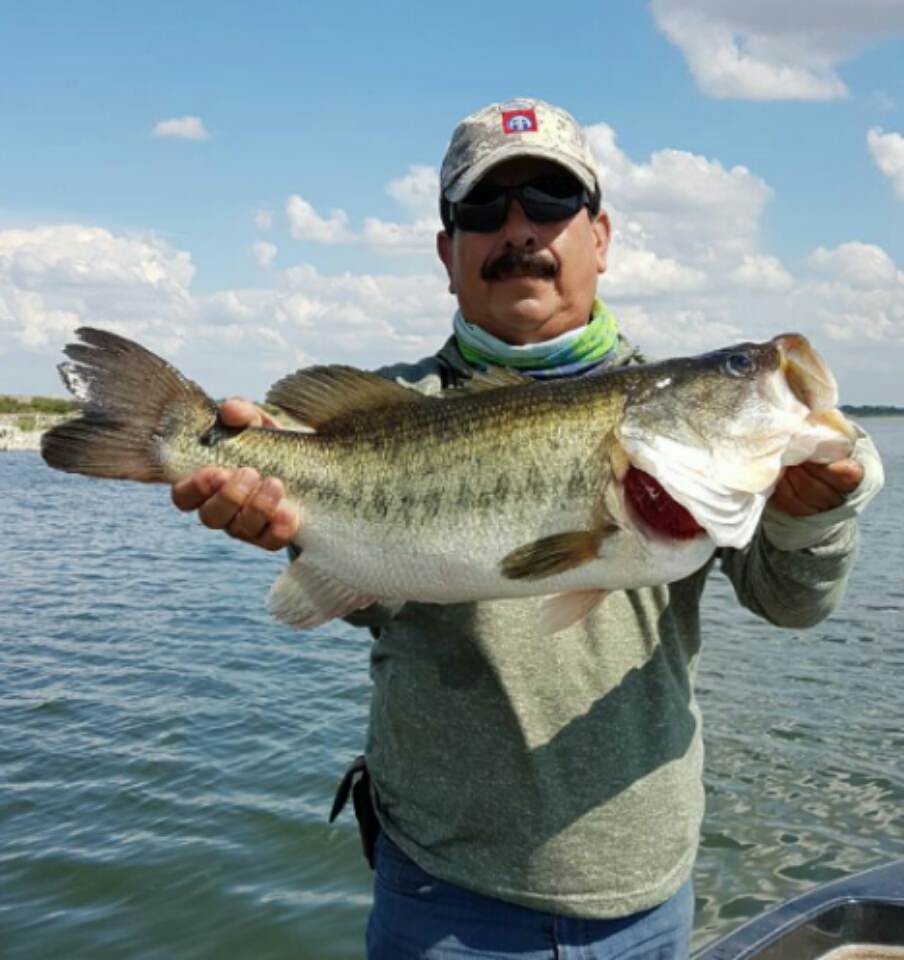
Sugar Lake Bass Fishing Seasons: Best Time to Go
The short answer
Sugar Lake sits in the same warm-water border region as Falcon Lake and Lake Amistad, so its bass generally spawn earlier than lakes farther north in Texas. Expect pre-spawn and spawn activity from December through March, a post-spawn bite through April, a tougher but still productive summer that rewards early mornings and deep structure, and a fall feeding period from September through November.
This guide uses the border region's documented pattern as the closest available reference, since no lake-specific spawn study for Sugar Lake is public.
Why does Sugar Lake fish differently than lakes farther north?
Bass spawn when water temperature holds steady in the high 50s to low 60s Fahrenheit. In most of Texas, that happens from the last two weeks of February through mid-March. In deep South Texas, water warms earlier, so bass start moving shallow as early as February, and one well-known Texas pro has described nearby Falcon Lake's bass beginning to spawn around the holidays in mild winters (Mossy Oak, Outdoor Hub).
Sugar Lake sits at a similar latitude and climate to Falcon Lake and Lake Amistad, both on the Texas-Mexico border. Its bass likely follow a similar early-season pattern, though every lake and every year varies with rainfall and water levels (Lone Star Outdoor News).
Month-by-month expectations
| Period | Likely pattern | What to focus on |
|---|---|---|
| December–January | Pre-spawn; big females feeding heavily before moving shallow | Deep structure near spawning flats; moving baits |
| February–March | Spawn; fish move onto beds in the shallows | Sight-fishing beds where visibility allows; slow, precise presentations |
| April | Post-spawn; fish recover and feed before summer | Transition areas between spawning flats and deeper water |
| May–August | Summer; hot days, fish push deeper by midday | Early mornings and evenings; topwater at first light; deep rock and timber through the day |
| September–November | Fall; cooling water triggers a feeding push | Shallow cover again; reaction baits, moving fast to cover water |
This table describes the general pattern for the region, not a guarantee for any specific week. A cold front, a rain event, or a shift in water level can reset the pattern by several weeks in either direction.
How does this compare to other Mexico bass lakes?
Lake El Salto, farther south in Sinaloa, publishes an official season from September 15 to July 31, closing only in August (Where The Road Forks). Sugar Lake has no equivalent published closed season in the fishing standard that governs it; that standard instead lets federal authorities set closures as needed for conservation (NOM-043-PESC-2003). Ask your guide about any current closures before booking.
What does this mean for booking a trip?
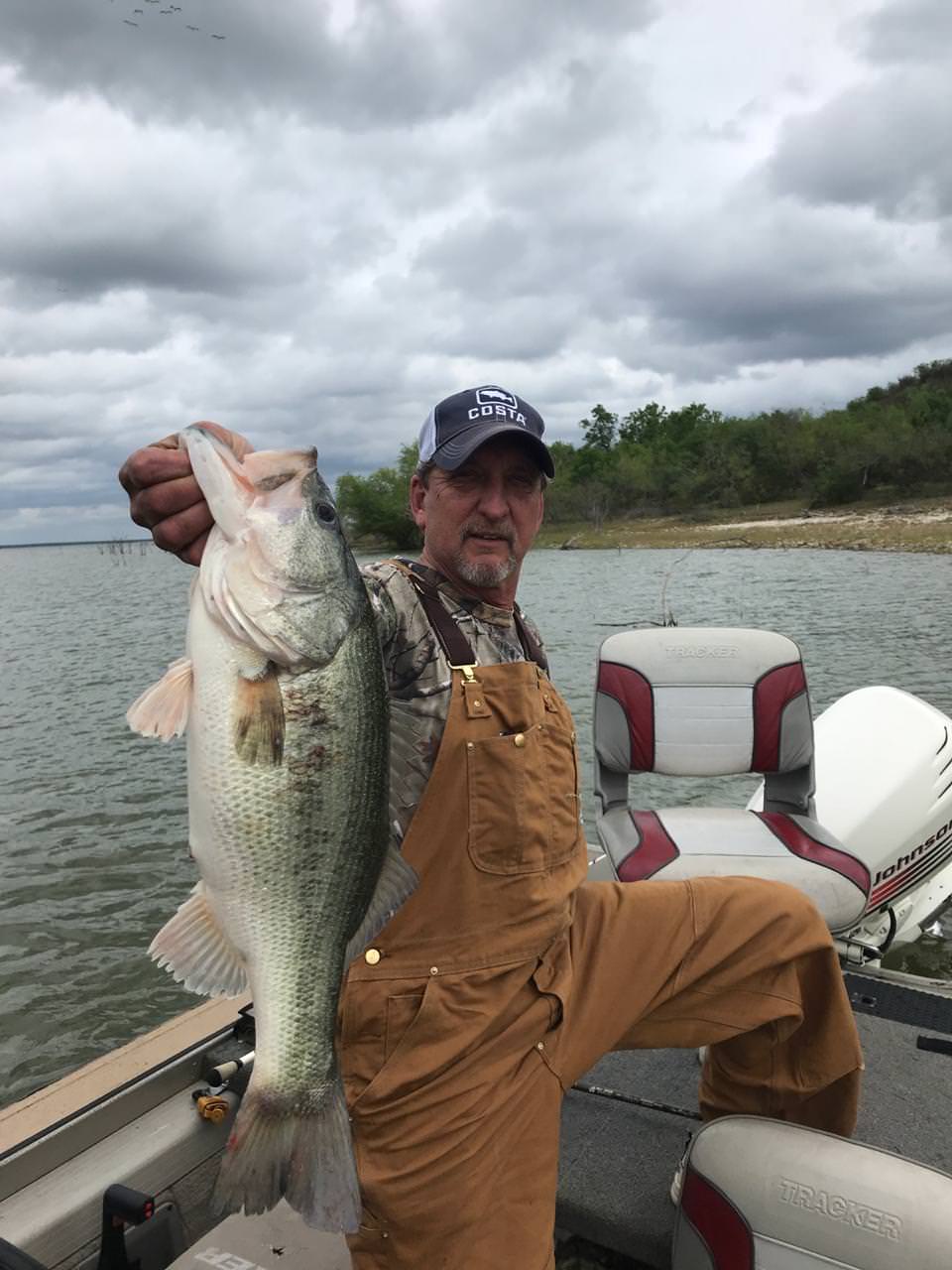
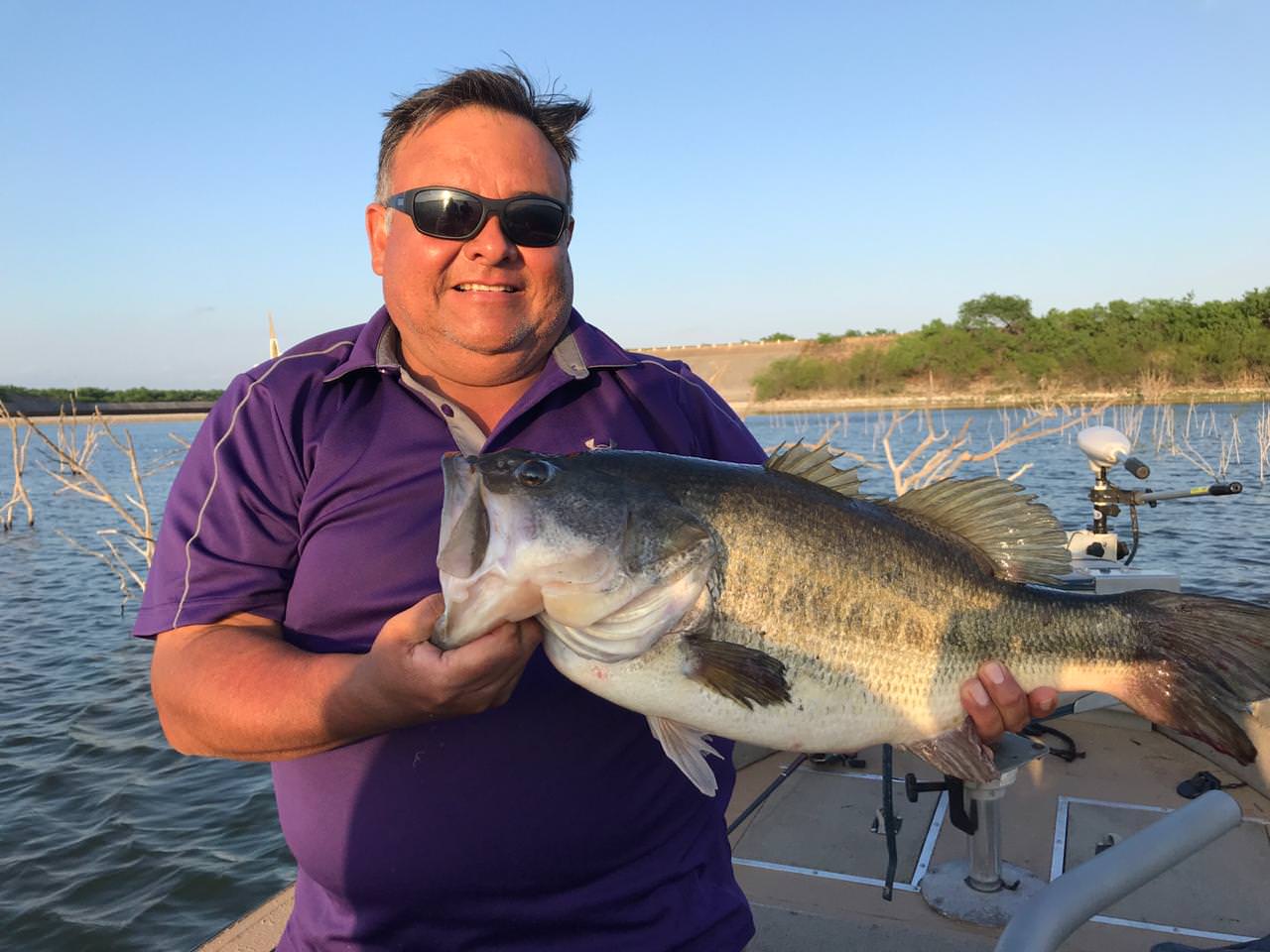
If you want the best odds at a true trophy fish, target February through April, when big pre-spawn and spawn females are shallow and catchable. If you want the most consistent numbers with less concern about weather windows, the fall months offer an active, forgiving bite. Summer trips can still produce well, especially in the early morning, but expect to fish smarter and deeper as the day heats up.
Frequently Asked Questions
What is the best month to fish Sugar Lake?
Based on the border region's pattern, February and March offer the best combination of big fish and shallow, accessible bass.
Is summer a bad time to fish Sugar Lake?
No, but the bite compresses into shorter windows: first light, last light, and anytime a cold front or cloud cover breaks the heat.
Does Sugar Lake close for a spawning season?
The federal standard that governs the lake allows authorities to set closures as conservation requires, rather than publishing a fixed annual closed season. Confirm current status with your guide.
How does the spawn timing compare to Texas lakes?
Sugar Lake's border-region climate likely pushes the spawn earlier than lakes farther north in Texas, similar to the well-documented early spawn at nearby Falcon Lake.

Written By Sergio de la Garza
Sergio de la Garza runs Bassunit on Sugar Lake and shares what the guides are actually seeing on the water — no filler, no guesswork.
Ready When You Are
Come See It For Yourself
Every package includes lodging, chef-prepared meals, boat, fuel and a guide who knows exactly what's biting today.
© 2026 Bassunit. All rights reserved.Serving Presa Marte R. Gómez (Sugar Lake)